Doritos Tortilla Chips, Cool Ranch — The 15.5-ounce bag of Doritos Cool Ranch is available via Amazon at $12.30, a price point that positions it somewhere between casual indulgence and mild occasion.
Manufacturer Doritos Form Tortilla chip Stated Flavour cool ranch Implied Ambition To make dairy-adjacent nostalgia shelf-stable until further notice
Photo by Tima Miroshnichenko on Pexels · This image is for decoration only, and does not represent the snack under examination here.
There is a particular kind of flavour that was not discovered but engineered — assembled from the memory of something real and then amplified until the original referent barely matters. The cool ranch profile belongs to this category: a tangy, herbaceous construct that has outlasted the decade that invented it and colonised the snack aisle with the confidence of a thing that has never needed to justify itself. To write a review of Doritos Cool Ranch in the present tense is, in some sense, to audit an institution.
Opening Notes
The bag opens with a hit of buttermilk and dried allium — the signature of a flavouring system built on desiccated dairy solids, garlic powder, and what the industry would call a blend of natural and artificial flavours. Beneath that, onion and a whisper of dried dill assert themselves, fleeting but recognisable. There is a faint acidity that reads as cultured — not quite vinegar, not quite citric acid, but somewhere in negotiation between the two. It smells, in other words, exactly as expected, which is either its virtue or its limitation depending on what you came here for.
Structural Integrity
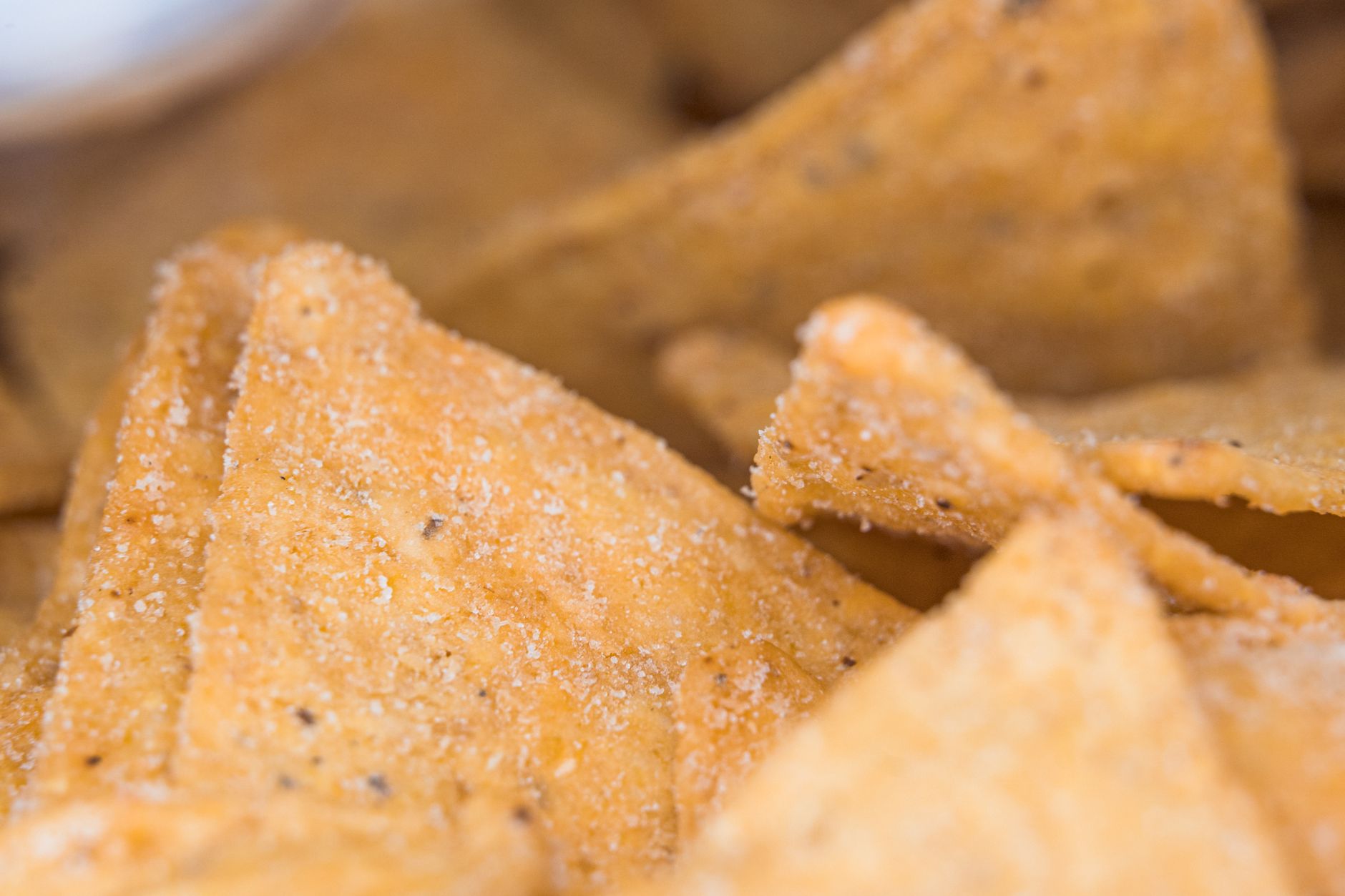
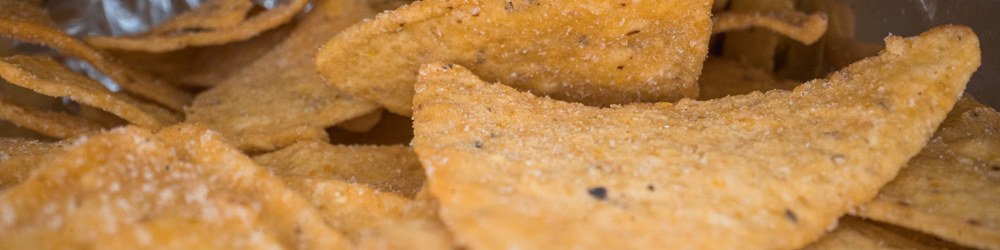
The triangular form factor of the Doritos chip is one of the more discussed geometries in mass-market snacking, and a not-insignificant number of customers have formed a strong opinion on the matter of structural integrity during transit — breakage, it seems, is a recurring grievance with this particular bag format. What arrives in the 15.5-ounce configuration may include a proportion of shards and halves that, while flavourful, resist the full sensory experience the whole chip was designed to deliver. When intact, the chip is thin enough to fracture cleanly but thick enough to carry its seasoning load without turning to powder on contact. Transit loss is a supply chain problem more than a product problem, though the distinction offers little comfort at the bottom of the bag.
Palate Progression
The first contact is primarily textural — a sharp, clean snap followed immediately by the onset of the cool ranch seasoning, which does not ease in so much as declare itself. The buttermilk note arrives first, broad and lactic, followed quickly by the dried herb layer: dill, parsley, and what presents as chive or green onion. A mild heat — from black pepper, most likely, rather than capsaicin — builds incrementally across the mid-palate without ever becoming confrontational. The finish carries that characteristic Doritos umami depth, a quality attributable in part to the corn base and in part to whatever flavour-enhancing compounds sit quietly in the ingredient list. There is no resolution, exactly — the palate is simply occupied and then eventually vacated, leaving a pleasant, if persistent, residue of the whole encounter. One is left wondering whether the flavour is satisfying or merely insistent.
Tactile Considerations
The seasoning coating on cool ranch Doritos is among the more transferable in the category — it adheres selectively, meaning some chips are generously dusted while others feel comparatively bare, and either way the fingertips collect a fine, pale powder that is neither purely white nor purely yellow. The residue is dry rather than oily, which distinguishes it from the nacho cheese variant and makes it marginally less demanding on upholstery. Hands carry the scent of the seasoning for longer than feels proportionate to the act of eating, a quality that is well-documented among habitual consumers. This is a chip that marks its territory.
On Restraint
The formulation does not practice restraint, and it is not designed to. Cool ranch as a flavour concept belongs to the American tradition of layered seasoning — the logic being that more components produce more complexity, and more complexity produces more satisfaction. Whether that logic holds depends on how one defines satisfaction. Against the quieter end of the tortilla chip spectrum — the lightly salted, the stone-ground, the single-origin — this product reads as maximalist, its flavouring system operating at full volume for the duration. That this volume is consistent and well-calibrated is a form of craft, even if it is industrial craft.
Pairing Considerations
A cold, lightly hopped lager — something with enough carbonation to reset the palate between bites without competing with the dairy notes
A sharp, minimally seasoned guacamole, which provides fat and acid to offset the seasoning density
Iced black coffee — the bitterness functions as a counterweight to the lactic sweetness of the ranch coating
A mid-afternoon that has no particular agenda — this is not a chip that demands occasion
The company of someone who will not remark on how many you have eaten
The Verdict
Doritos Cool Ranch is a product that has earned its canonical status through consistency rather than innovation — it delivers, with industrial precision, a flavour experience that its audience has internalised so thoroughly that deviation would feel like betrayal. The breakage issue is real and worth noting, though it speaks to packaging and logistics more than to the chip itself. As a cultural object, it is a remarkably stable text: four decades in, it still reads the same way it always has.
★★★★★★★★★★
7.2 / 10 · Aficionado Rating
Verdict: Precise, persistent, unapologetically itself Seal of Consideration:The chip that does not ask permission has already decided it does not need any.
About the Author
Dr. Miriam Okafor
Dr. Miriam Okafor is an associate professor of food anthropology on sabbatical. Her monograph on the semiotics of snack packaging won a prize she is too modest to name. She joined Chip Aficionado because she wanted to write about things that actually matter.








Leave a Reply